


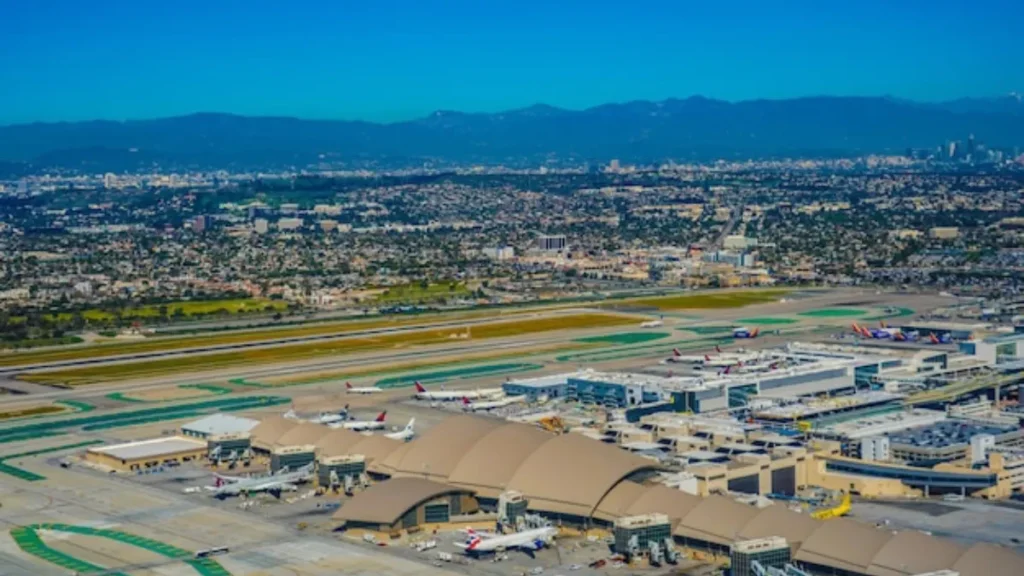
Washington Dulles airport modernization is moving into a new phase as officials plan major improvements designed to prepare the Northern Virginia airport for future passenger growth, larger aircraft and changing demands on the U.S. aviation system.
The project comes as airports across the country face pressure to modernize aging facilities while accommodating strong passenger demand.
For Dulles, the challenge is particularly significant.
The airport serves as a major international gateway for the Washington region, meaning improvements to terminals, passenger facilities and supporting infrastructure could have consequences well beyond Northern Virginia.
Dulles Is Planning for the Next Generation of Travel
Washington Dulles International Airport has long served as one of the nation’s most important international airports.
But aviation has changed considerably since many of its facilities were originally designed.
Passenger expectations have evolved.
Airlines are operating different aircraft.
Security procedures have changed.
And airports are increasingly expected to provide faster, more convenient and technology-driven experiences.
The planned Washington Dulles airport modernization reflects those changing requirements.
Passenger Growth Is Driving Investment
One of the central reasons airports undertake major modernization projects is long-term passenger growth.
When an airport becomes busier, existing facilities can begin to experience pressure.
Security checkpoints become crowded.
Baggage systems face greater demand.
Gates become harder to schedule.
Roadways and parking facilities can also become congested.
Modernization allows airports to address those problems before they become severe enough to affect the passenger experience.
International Travel Is Especially Important
Dulles has an important role in connecting the Washington region with international destinations.
That makes the airport’s facilities particularly important for global travelers.
International passengers often require additional processing, including customs and immigration procedures.
Airport modernization can improve the way those passengers move through terminals.
Technology can also make certain processes faster.
Automated systems, improved screening technology and better passenger information can reduce friction during busy travel periods.
The Airport Is Part of a Larger Regional Economy
The importance of Dulles extends beyond aviation.
Airports support hotels, restaurants, transportation companies, retailers and businesses that depend on convenient connections.
An efficient international airport can also influence corporate investment.
Companies often consider transportation access when deciding where to locate offices and operations.
That gives large airport modernization projects an economic-development dimension.
Construction Will Be a Major Challenge
Large airport projects are complicated because airports cannot simply shut down while construction takes place.
Dulles must continue serving passengers while improvements are being designed and built.
That means construction schedules need to account for aircraft movements, passenger traffic, security operations and airline requirements.
Temporary disruptions may be unavoidable.
Airport officials will therefore need to carefully communicate changes to travelers.
Technology Will Play a Bigger Role
Modern airports are increasingly becoming technology platforms.
Passengers expect real-time flight information, digital boarding passes and automated processes.
Future airport improvements may include more advanced baggage systems, biometric technology and automated passenger processing.
These tools can improve efficiency when properly integrated.
But airports must also ensure that technology remains accessible to travelers who prefer traditional services.
Passenger Experience Is Becoming More Important
Airport modernization is no longer simply about expanding buildings.
Travelers increasingly judge airports based on the entire experience.
That includes parking, transportation connections, security, seating, food, retail, Wi-Fi and access to gates.
Comfort has become an important competitive factor.
Airlines and airports know that passengers have choices, particularly when multiple airports serve the same metropolitan region.
Dulles Faces Regional Competition
The Washington region is served by more than one major commercial airport.
That creates competition for passengers and airlines.
Dulles has an advantage in international connectivity and its location in Northern Virginia.
Modern facilities could strengthen that position.
The airport’s ability to accommodate growing passenger demand could also help attract additional routes.
Infrastructure Must Support Larger Aircraft
The aviation industry is also changing on the aircraft side.
Airlines are introducing new generations of aircraft designed to improve fuel efficiency and extend route possibilities.
Airports must ensure that gates, runways, taxiways and other infrastructure can support evolving aircraft requirements.
That makes long-term planning essential.
An airport project designed today may need to remain useful for several decades.
Road Access Matters Too
The passenger journey does not begin at the terminal.
Travelers must reach the airport.
That means road networks, parking facilities, public transportation and rideshare access all influence the airport experience.
Large modernization programs often need to consider these connections.
A modern terminal can still produce frustration if passengers spend excessive time navigating congested roads.
Airport Modernization Creates Economic Activity
Major construction projects also generate economic activity during the development phase.
They require engineers, construction workers, technology providers and specialized contractors.
Once completed, expanded facilities can support additional airport jobs.
Businesses located around the airport can also benefit from increased activity.
That makes large infrastructure investments important beyond the aviation sector.
Sustainability Is Becoming Part of Airport Planning
New airport projects are increasingly designed with environmental considerations in mind.
Airports consume significant amounts of energy and operate around the clock.
Modernization can provide opportunities to improve energy efficiency, reduce waste and introduce newer building technologies.
Airlines are also seeking ways to reduce fuel consumption.
Airport infrastructure needs to evolve alongside those efforts.
Security Remains a Core Requirement
Any major airport modernization project must also address security.
Passenger screening, baggage inspection and access controls need to work efficiently without creating unnecessary bottlenecks.
New technology can help improve security while reducing processing times.
However, security requirements can also influence how terminals are designed.
The goal is to create facilities that are both secure and convenient.
The Project Could Shape Dulles for Decades
The significance of Washington Dulles airport modernization is that major airport infrastructure is built for the long term.
A terminal expansion or infrastructure upgrade completed in the coming years could serve passengers for decades.
That means planners must anticipate changes in travel patterns, aircraft technology and passenger expectations.
Building only for today’s needs could leave an airport facing capacity problems again in the future.
A Major Test for U.S. Aviation Infrastructure
Dulles is part of a broader modernization effort taking place across the American airport system.
Airports nationwide are investing in terminals, runways, baggage systems and passenger technology.
The need is becoming more urgent as passenger demand grows and older infrastructure reaches its limits.
For Washington Dulles, the planned modernization represents an opportunity to strengthen its position as a major international gateway.
For travelers, the ultimate test will be whether those investments produce a faster, easier and more comfortable airport experience.
The construction process may create challenges along the way.
But if the long-term planning succeeds, Dulles could emerge with infrastructure capable of handling the next generation of U.S. and international air travel.
Source angle: Airport and aviation-industry reporting on Washington Dulles International Airport’s long-term infrastructure planning, passenger growth, terminal modernization, international operations and broader U.S. airport investment needs.