


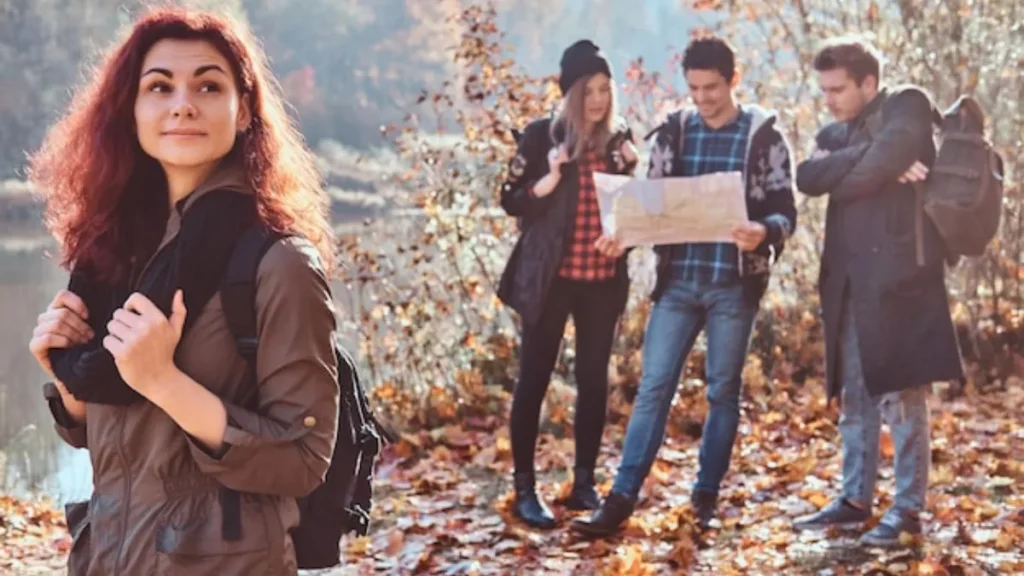
U.S. tourism growth is gaining momentum in 2026 as travelers increasingly look beyond traditional big-city vacations and discover national parks, smaller communities and less crowded destinations across the country.
The shift reflects a changing American travel market. While major destinations such as New York, Orlando and Las Vegas continue to attract millions of visitors, travelers are also searching for experiences that offer nature, local culture and a slower pace.
That change is creating new opportunities for communities that have historically received a smaller share of tourism spending.
Travelers Are Looking Beyond Major Cities
For years, U.S. tourism was heavily concentrated around major destinations.
Visitors traveled to large cities for entertainment, museums, restaurants and sporting events.
But the post-pandemic travel market has broadened.
Many travelers now place greater value on outdoor recreation, scenic landscapes and authentic local experiences.
That has helped smaller towns and rural communities attract visitors who might previously have stayed in major tourist centers.
The result is a more distributed tourism economy.
National Parks Remain a Major Attraction
America’s national parks continue to be among the country’s most recognizable travel destinations.
Visitors are drawn to places offering hiking, wildlife, dramatic landscapes and opportunities to disconnect from urban life.
National parks also support surrounding communities.
Travelers need hotels, restaurants, gas stations, tour operators and outdoor equipment.
That means visitor spending can extend well beyond the park itself.
Communities near popular parks have therefore become important parts of the broader tourism economy.
Small Towns Are Finding New Appeal
The growth of U.S. tourism growth is also benefiting smaller destinations.
Travelers increasingly want experiences that feel personal rather than highly commercialized.
Small towns can offer historic downtowns, local restaurants, independent shops and regional cultural attractions.
For some visitors, that creates a stronger sense of place.
Instead of spending an entire vacation inside a major resort or crowded city, travelers can explore communities that provide a slower and more intimate experience.
Road Trips Are Supporting Local Economies
Road travel has become an important part of this trend.
A road trip allows travelers to visit multiple communities rather than staying in one destination.
That creates opportunities for smaller towns along major routes.
Hotels, restaurants, museums and attractions can benefit from visitors who stop for a few hours or stay overnight.
States with scenic highways and outdoor attractions are particularly well positioned to benefit.
Travelers Want Experiences, Not Just Destinations
The modern traveler is increasingly interested in what they can do rather than simply where they can go.
Hiking, food tours, local festivals, cultural experiences and outdoor activities can become the centerpiece of a trip.
That benefits communities that may not have famous landmarks but can provide distinctive experiences.
A small-town food festival or local heritage tour can become a reason for travelers to visit.
Local Culture Is Becoming More Valuable
Tourism can also encourage communities to preserve and promote their local identity.
Historic buildings, traditional foods, music and cultural traditions can become tourism attractions.
When managed responsibly, that can generate revenue while helping communities maintain their character.
The challenge is balancing tourism growth with the needs of local residents.
Too many visitors can place pressure on housing, roads and public services.
Social Media Is Changing Discovery
Travel discovery has also changed.
Travelers can now discover small destinations through social media videos, travel blogs and online communities.
A scenic trail or independent restaurant can become popular quickly after gaining attention online.
That can help lesser-known destinations reach travelers without the marketing budgets available to major tourism centers.
But viral popularity can also create challenges if a community suddenly receives more visitors than its infrastructure can support.
Tourism Spending Has a Wider Economic Impact
Travelers do not spend money only on attractions.
They also pay for transportation, lodging, meals, shopping and entertainment.
That creates a broad economic effect.
A visitor staying in a small town may spend money at a local hotel, eat at a family-owned restaurant and purchase products from local businesses.
The economic benefits can therefore reach many parts of the community.
Businesses Are Adapting to New Travelers
Tourism businesses are responding to these changing preferences.
Hotels are increasingly promoting outdoor access and local experiences.
Tour operators are developing smaller group activities.
Restaurants are highlighting regional ingredients and local traditions.
Even communities that once viewed themselves primarily as residential areas are beginning to explore tourism opportunities.
Technology Makes Travel Planning Easier
Digital tools are also helping travelers organize trips to less familiar destinations.
Online maps make remote locations easier to navigate.
Booking platforms help travelers find accommodations.
AI-powered travel tools can increasingly create itineraries based on interests and budgets.
This reduces some of the uncertainty associated with visiting smaller communities.
Affordability Remains Important
Travel costs remain a major consideration for American households.
Flights, hotels and entertainment can become expensive, particularly during peak seasons.
Smaller destinations may offer travelers an alternative.
A road trip to a nearby national park or small town can sometimes cost less than an international vacation or major-city getaway.
That does not mean every small destination is inexpensive.
But travelers have more opportunities to design trips around their budgets.
Sustainable Tourism Is Becoming More Important
The expansion of U.S. tourism growth also raises questions about sustainability.
Popular national parks and small communities can experience environmental pressure when visitor numbers increase.
Waste management, traffic congestion, water use and overcrowding can become significant issues.
Tourism officials are therefore increasingly focused on managing growth rather than simply maximizing visitor numbers.
The goal is to create economic benefits without damaging the attractions that bring travelers in the first place.
The Opportunity for Rural America
Tourism can provide an important economic opportunity for rural communities.
Many small towns have faced challenges related to declining traditional industries.
Tourism can create jobs in hospitality, transportation, food service, retail and recreation.
It can also encourage investment in infrastructure.
But successful tourism requires planning.
Communities need to make sure growth benefits local residents rather than creating new problems.
Travelers Are Searching for Something Different
The changing U.S. tourism market reflects a broader shift in consumer preferences.
Travelers increasingly want meaningful experiences, outdoor recreation and connections with local communities.
That does not mean major cities are losing their appeal.
Instead, Americans are adding new destinations to their travel choices.
A trip may now combine a major city with a national park, or a popular attraction with a nearby small town.
The 2026 Travel Landscape
U.S. tourism growth in 2026 is creating a broader and more diverse travel economy.
National parks remain powerful attractions, but smaller communities are increasingly becoming part of the American travel story.
For local businesses, that can create new revenue opportunities.
For travelers, it means more choices.
And for communities, the challenge will be managing tourism in a way that protects local culture and natural resources.
The next phase of U.S. tourism may therefore be less about visiting the biggest destination and more about discovering what lies beyond it.
As travelers continue searching for nature, affordability and authentic experiences, America’s national parks and small towns could remain among the biggest beneficiaries of this changing travel culture.
Source angle: Recent U.S. tourism and travel-industry reporting on domestic travel demand, national park visitation, outdoor recreation, road trips, small-town tourism and the growing economic role of local destinations.