


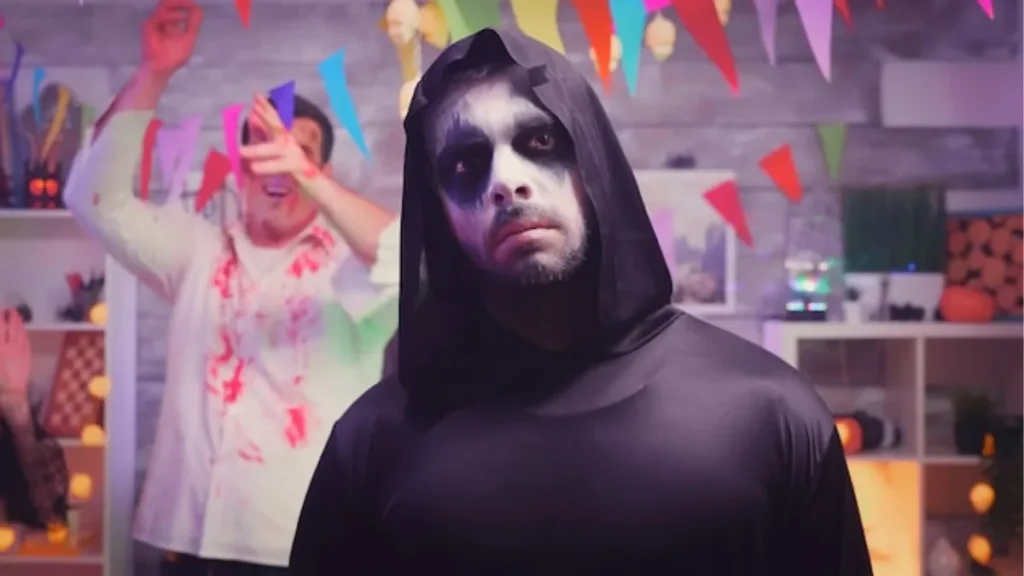
Target has pulled a Halloween costume from sale after criticism over its design triggered backlash online, putting the retailer back in the spotlight over how quickly consumer reactions can turn a seasonal product into a corporate controversy.
The decision highlights a growing challenge for major U.S. retailers: seasonal merchandise can generate significant sales, but products that customers consider insensitive or offensive can spread across social media within hours, creating reputational risks that extend well beyond a single item.
For Target, the episode arrives as the retailer continues navigating a highly competitive consumer environment in which shoppers are increasingly vocal about the products they expect major brands to carry.
A Seasonal Product Becomes a Corporate Issue
Halloween merchandise is typically designed to attract shoppers looking for costumes, decorations and accessories during one of the year’s biggest seasonal shopping periods.
But costume design can involve cultural references, stereotypes and imagery that may be interpreted very differently by consumers.
Once criticism begins online, retailers can face pressure to respond quickly.
That appears to have happened in this case, with Target removing the disputed costume rather than allowing the controversy to continue.
Social Media Accelerates Consumer Backlash
Retail controversies increasingly develop on social-media platforms before companies have time to prepare a formal response.
A customer can photograph a product in a store or post a screenshot from an online listing.
If other users believe the product crosses a line, the post can quickly attract thousands of reactions.
For retailers, that creates a difficult communications environment.
Silence can be interpreted as indifference, while a rushed response can create additional criticism.
Retailers Must Balance Creativity and Sensitivity
Halloween costumes often depend on recognizable themes.
Retailers compete to offer products that are unusual, humorous or likely to attract attention.
But the same qualities that make a costume distinctive can also create controversy.
Design teams must therefore consider not only whether a product will sell but also how different communities may interpret its imagery.
Target Has Faced Consumer Scrutiny Before
Target is one of America’s largest retailers and has experienced intense public scrutiny over merchandise and corporate decisions in recent years.
That means controversies involving individual products can quickly become part of a larger conversation about the company’s brand.
For a retailer of Target’s scale, reputation is an important business asset.
A single product may represent only a tiny fraction of total sales, but the discussion surrounding it can reach millions of consumers.
Product Removal Is Often the Fastest Response
Pulling a controversial product allows a retailer to stop sales immediately.
It can also reduce the amount of additional attention generated by the product.
However, removal does not necessarily end the controversy.
Screenshots and photographs can continue circulating online even after the product disappears from shelves or websites.
That means retailers must also manage the communication surrounding the decision.
Seasonal Merchandise Creates a Tight Timeline
Halloween products are sold within a limited window.
Retailers must make purchasing and inventory decisions months before the holiday.
If a product is withdrawn after inventory has already arrived, the company may have limited options for recovering its costs.
That can create financial consequences even when the affected item represents only a small portion of total merchandise.
Consumer Trust Is the Bigger Issue
For major retailers, the financial impact of removing one costume may be relatively small.
The larger concern is consumer trust.
Customers increasingly expect companies to understand cultural sensitivities before products reach stores.
When they believe a retailer failed to do that, criticism can extend to the broader brand.
Competitors Are Watching
Other retailers are also preparing for the Halloween shopping season.
Walmart, Amazon, Costco and specialty retailers compete aggressively for seasonal spending.
A controversy at one retailer can create opportunities for competitors.
Customers may simply choose another store if they believe its merchandise better reflects their expectations.
The Rise of Social Commerce Raises the Stakes
Consumers increasingly discover products through social media.
That means merchandise can become popular without traditional advertising.
The same system can work in reverse.
A product criticized online can become widely known for negative reasons.
Retailers therefore have to consider how products will appear outside the controlled environment of their own stores and websites.
Product Reviews Can Influence Decisions
Online reviews add another layer of consumer feedback.
Customers can quickly share photographs and opinions about products.
Retailers can monitor those reactions to identify problems earlier.
But by the time a complaint begins trending publicly, the issue may already have become a reputational problem.
Brand Managers Face a Difficult Calculation
Companies must determine whether a controversy is likely to fade or become larger.
Removing a product can sometimes prevent escalation.
But it can also generate additional coverage because consumers may interpret the action as an admission that the product was inappropriate.
There is no universal response.
Retailers Are Increasingly Sensitive to Cultural Context
Product development now involves greater scrutiny of language, imagery and cultural references.
Large companies often use legal, merchandising and communications teams to review products.
But the sheer volume of merchandise makes it difficult to identify every potential issue.
Seasonal products can be especially challenging because they often rely on humor and visual references.
The Financial Impact May Be Limited
The direct financial impact of removing one costume is likely to be modest relative to Target’s overall business.
The company generates revenue across groceries, household goods, apparel, electronics, beauty products and other categories.
The larger risk is the potential effect on brand perception.
Halloween Remains a Major Retail Opportunity
Despite the controversy, Halloween remains an important seasonal shopping period for American retailers.
Consumers spend on costumes, candy, decorations, parties and entertainment.
Retailers want to capture that spending while avoiding products that create unnecessary reputational risks.
What Retailers Can Learn
The episode provides several lessons for companies:
- Review products for cultural sensitivity.
- Monitor social-media reactions.
- Establish clear escalation procedures.
- Respond quickly when legitimate concerns emerge.
- Communicate decisions consistently.
- Maintain alternative merchandise options.
- Train merchandising teams to identify potential issues early.
These steps can reduce the likelihood that a single product becomes a broader crisis.
Consumers Have More Influence
Modern consumers have unprecedented ability to influence retail decisions.
A single viral post can attract attention from journalists, advocacy groups and company executives.
Retailers can no longer rely solely on traditional customer-service channels.
Public reaction can shape product decisions almost instantly.
The Bigger Retail Challenge
The Target controversy reflects a broader issue facing America’s retail industry.
Companies are operating in a market where consumer expectations can change quickly.
Retailers must respond to demand while also managing social, cultural and reputational considerations.
That makes product selection increasingly strategic.
What Comes Next
Target will likely continue monitoring reactions and adjusting seasonal merchandise as Halloween approaches.
Other retailers are likely to be paying close attention as well.
The episode may encourage companies to review their own costume inventories before similar products generate controversy.
The Bottom Line
Target’s decision to remove a Halloween costume after backlash over its design demonstrates how quickly a single seasonal product can become a major reputational issue for a national retailer.
The direct sales impact may be limited, but the episode highlights the growing influence of social media and consumer activism on retail decisions.
For Target and its competitors, the lesson is straightforward.
Seasonal merchandise can generate valuable sales, but products that fail to account for cultural sensitivities can create costs that extend far beyond the price of the inventory itself.
As retailers prepare for the holiday shopping season, product selection, cultural awareness and rapid response will remain increasingly important parts of protecting consumer trust.
Source angle: Target’s removal of a disputed Halloween costume following consumer backlash, broader retail reputation risks, social-media-driven product controversies and the growing importance of cultural sensitivity in U.S. merchandising.