


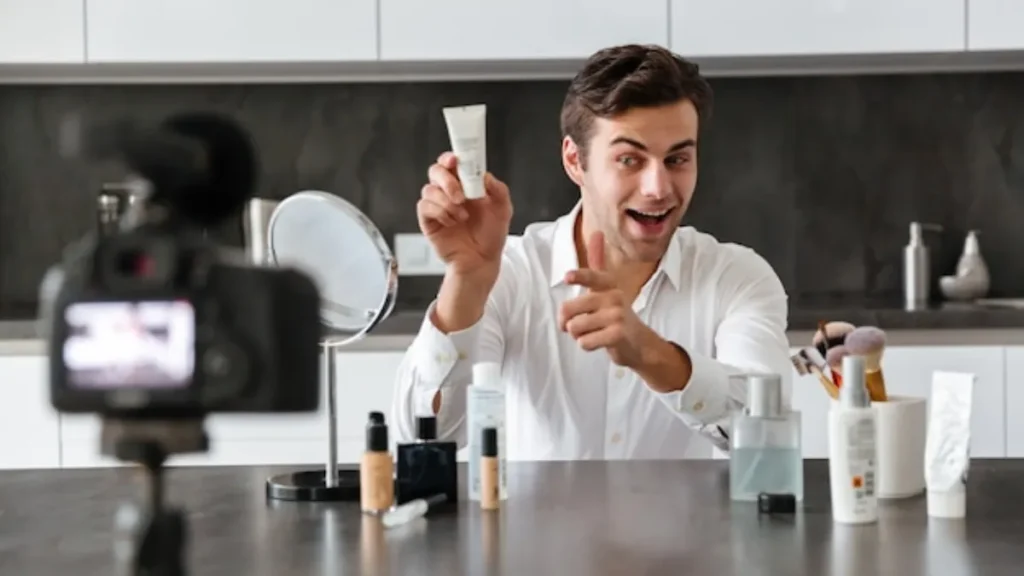
Men’s grooming is moving beyond traditional shaving and basic personal care, opening a rapidly expanding chapter for America’s beauty industry as more men embrace skincare, haircare, fragrances and specialized wellness products. What was once a relatively narrow market is becoming a broader consumer category, with younger shoppers in particular treating grooming as part of their everyday lifestyle rather than an occasional necessity.
The shift is attracting established beauty companies, specialty brands and retailers looking for new growth opportunities.
Grooming Becomes a Broader Category
For decades, men’s personal care was dominated by razors, shaving cream, deodorant and basic hair products.
Today, the category looks very different.
Men’s shelves increasingly include facial cleansers, moisturizers, serums, sunscreen, exfoliators, beard products, fragrances and specialized hair treatments.
The expansion reflects changing attitudes toward appearance and self-care.
Younger Consumers Are Driving Change
Younger men are becoming an important force behind the beauty market’s evolution.
Social media has exposed consumers to skincare routines, grooming tutorials and product reviews.
Men who may once have viewed beauty products as unnecessary are increasingly comfortable discussing and purchasing them.
Social Media Is Changing Grooming Culture
Platforms such as TikTok, Instagram and YouTube have made beauty information more accessible.
Influencers demonstrate skincare routines, compare products and explain ingredients.
That has reduced some of the stigma historically associated with men’s beauty.
A product can now become popular because consumers see real people using it online.
Skincare Is a Major Growth Area
Men’s skincare is one of the most important opportunities in the category.
Consumers are increasingly looking for products that address concerns such as dryness, oiliness, acne, sun exposure and signs of aging.
Brands are responding with simplified routines designed specifically for male consumers.
Simplicity Still Matters
Many men do not want complicated routines involving numerous products.
Companies are therefore emphasizing convenience.
Face washes that combine multiple functions, moisturizers with sunscreen and multipurpose grooming products can appeal to consumers who want results without spending significant time on a routine.
Fragrance Is Expanding
Fragrance is another major category.
Men’s fragrance has long been established, but consumer interest is expanding into premium and niche products.
Younger shoppers are increasingly interested in experimenting with different scents.
Fragrance is becoming part of personal identity rather than simply a finishing product.
Premium Products Attract Attention
Some consumers are willing to pay more for premium grooming products.
Packaging, ingredients, brand reputation and perceived quality can justify higher prices.
That creates opportunities for specialty brands.
However, affordability remains important as consumers manage higher everyday expenses.
Retailers Are Expanding Their Selection
Beauty retailers and department stores are increasing their focus on men’s products.
Drugstores and supermarkets are also expanding their grooming selections.
Online shopping has made it easier for consumers to discover specialized brands that may not be available locally.
E-Commerce Is Helping Smaller Brands
Digital commerce has lowered barriers for emerging companies.
A new men’s skincare brand can reach customers without building a nationwide network of physical stores.
Social media advertising and influencer partnerships can also help smaller brands build awareness.
Ingredient Awareness Is Growing
Men are becoming more interested in what is inside grooming products.
Ingredients such as hyaluronic acid, retinol, niacinamide and vitamin C have entered mainstream skincare conversations.
Consumers may increasingly compare formulas rather than purchasing based only on brand recognition.
Sun Protection Is Becoming More Important
Sunscreen is another area gaining attention.
Dermatologists have long emphasized sun protection, and men’s skincare brands are increasingly incorporating SPF into daily products.
That can make sunscreen easier to include in everyday routines.
Haircare Is Evolving
Men’s haircare is also becoming more specialized.
Products for thinning hair, scalp health, styling and conditioning are increasingly visible.
The category extends beyond traditional shampoos and gels.
Beard Care Remains Relevant
Although beard trends change over time, beard care continues to represent an important niche.
Oils, balms, washes and grooming tools allow consumers to build specialized routines.
The category demonstrates how personal care can become highly customized.
Wellness and Beauty Are Converging
The men’s beauty market is also increasingly connected to wellness.
Consumers may view grooming as part of a broader self-care routine involving exercise, nutrition, sleep and mental well-being.
That creates opportunities for brands to position products around lifestyle rather than appearance alone.
Traditional Gender Marketing Is Changing
Beauty companies are also becoming more careful about how products are marketed.
Rather than emphasizing strict gender divisions, some brands focus on specific skin types, hair concerns or consumer needs.
That can make products accessible to a wider audience.
Men Are Becoming More Comfortable With Beauty
The broader cultural shift may be as important as the commercial opportunity.
Men’s grooming is increasingly normalized in workplaces, social settings and popular culture.
That can encourage more consumers to experiment with products.
Affordability Remains a Challenge
The growth of premium grooming does not mean every consumer wants expensive products.
Many shoppers continue to compare prices.
Drugstore brands and private-label products could therefore benefit by offering effective products at lower costs.
Brands Face a Trust Problem
The expanding beauty market also creates a challenge.
Consumers are exposed to countless product claims online.
Companies must demonstrate that their products provide meaningful benefits.
Clear ingredient information and credible evidence can help build trust.
Retail Data Is Changing Product Development
Brands can now use online purchasing data and consumer feedback to understand demand quickly.
A product that gains traction on social media can be scaled rapidly.
That makes the beauty market more responsive than it was in previous decades.
What Companies Are Watching
Beauty and personal-care companies are closely monitoring:
- Men’s skincare
- Fragrance
- Haircare
- Beard products
- Sun protection
- Premium grooming
- E-commerce
- Social-media trends
- Ingredient awareness
- Wellness products
These categories are likely to shape the next phase of men’s beauty.
The Bigger Consumer Shift
The men’s beauty boom reflects a broader change in how Americans define personal care.
Grooming is increasingly about confidence, wellness and personal expression.
That expands the potential market far beyond traditional shaving products.
What Comes Next
More brands are likely to enter men’s skincare and wellness.
Retailers may dedicate additional space to specialized grooming products.
Digital creators will continue influencing consumer decisions.
And established beauty companies will likely invest more heavily in products designed for men’s specific needs.
The Bottom Line
America’s men’s beauty market is entering a new phase as consumers embrace skincare, fragrance, haircare and more specialized grooming routines.
The opportunity extends beyond selling more products.
Brands are competing to become part of a broader lifestyle built around self-care and personal expression.
The companies that succeed will likely be those that combine effective products with transparent claims, convenient routines and pricing that appeals to a wider range of consumers.
As cultural attitudes continue to change, men’s grooming is becoming less of a niche category and more of a mainstream part of America’s rapidly evolving beauty and personal-care industry.
Source angle: Growth of men’s grooming and skincare, changing consumer attitudes, social-media influence, fragrance and haircare trends, wellness spending and the expanding U.S. personal-care market.