


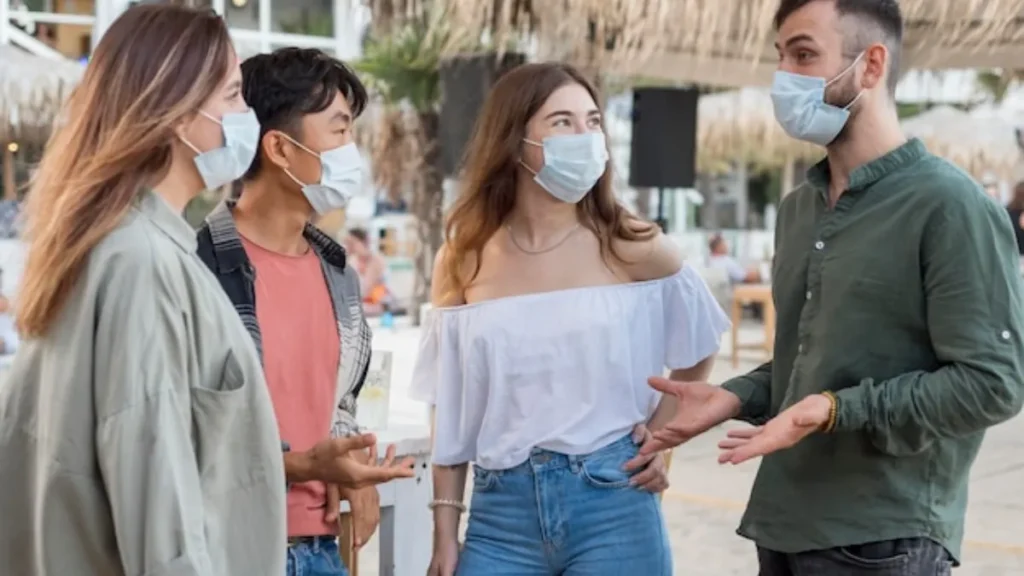
COVID-19 is drawing renewed attention in the United States as health officials continue monitoring respiratory-virus activity during the summer, with changing infection patterns reminding Americans that the virus has not disappeared from the nation’s health landscape.
Unlike the early years of the pandemic, the current response is less focused on nationwide restrictions and more centered on surveillance, vaccination, testing and protecting people most vulnerable to severe illness.
The latest activity also comes as Americans prepare for the return of schools, universities, indoor events and more crowded public spaces—conditions that can influence respiratory-virus transmission.
COVID-19 Has Entered a Different Phase
The public-health response to COVID-19 has changed significantly.
Hospitals are no longer operating under the extraordinary conditions seen during major pandemic waves, and most Americans have resumed normal activities.
But SARS-CoV-2 continues to circulate.
The virus has become part of the broader respiratory-virus environment that health officials monitor alongside influenza and respiratory syncytial virus.
That means seasonal increases can still occur even when the overall public response is less visible.
Summer Does Not Eliminate Transmission
COVID-19 is often associated with winter respiratory illness, but infections can occur throughout the year.
Indoor gatherings, travel and changing immunity levels can influence transmission during warmer months.
Americans also spend significant amounts of time in air-conditioned indoor environments during summer.
These conditions can allow respiratory viruses to continue spreading.
Symptoms Can Overlap With Other Viruses
One reason COVID-19 surveillance remains important is that symptoms can resemble other respiratory infections.
People may experience fever, cough, sore throat, congestion, fatigue or headaches.
Some infections can also cause gastrointestinal symptoms.
Because symptoms overlap, testing can help determine whether someone has COVID-19 or another respiratory illness.
Older Adults Remain a Key Concern
Although many people recover from COVID-19 without severe complications, the risk is not evenly distributed.
Older adults and people with certain underlying health conditions remain more vulnerable to hospitalization and severe outcomes.
That is why health officials continue emphasizing preventive measures for higher-risk populations.
Vaccination Remains Part of the Strategy
Vaccination continues to play an important role in reducing the risk of severe COVID-19.
Federal health recommendations can change as new variants circulate and updated vaccines become available.
People should consult current guidance and discuss vaccination decisions with healthcare professionals, particularly if they are at higher risk.
Immunity Continues to Change
Population immunity is not static.
People can gain protection through vaccination, previous infection or both.
However, protection can change over time, and new variants can alter how easily the virus spreads.
That makes ongoing surveillance important.
Variants Remain a Focus
SARS-CoV-2 continues to evolve.
Health authorities monitor variants to determine whether they appear to spread more efficiently or affect the severity of disease.
Variant surveillance also helps scientists evaluate whether vaccines and treatments remain effective.
Testing Still Has a Role
Home COVID-19 tests remain useful for people experiencing symptoms or those who may have been exposed.
Testing can help individuals make decisions about work, school, travel and contact with vulnerable family members.
A positive test can also help healthcare providers assess treatment options for eligible patients.
Treatment Has Changed the Risk Landscape
The availability of antiviral treatments has changed how physicians manage COVID-19.
For people at higher risk of severe disease, timely treatment can be particularly important.
Patients should speak with a healthcare professional promptly if they develop symptoms and believe they may be at increased risk.
Schools Could Become a New Transmission Focus
The approaching school year is another reason public-health officials are watching respiratory-virus trends.
Students returning to classrooms increase the number of daily close contacts.
Colleges and universities can also bring together large populations from different regions.
That can create opportunities for respiratory viruses to circulate.
Families Are Rethinking Prevention
Americans now have more tools for managing respiratory illness than they did during the first years of the pandemic.
Families can use testing, vaccination, staying home when sick and improved ventilation to reduce transmission.
The approach is more individualized than the emergency measures used earlier in the pandemic.
Indoor Air Quality Matters
Ventilation remains an important tool for reducing respiratory-virus exposure.
Improving airflow and filtration can reduce the concentration of infectious particles indoors.
This can be especially useful in schools, offices, healthcare facilities and other crowded buildings.
Employers Are Adjusting Too
Workplaces continue to manage respiratory illnesses through sick-leave policies and flexible work arrangements.
Allowing sick employees to stay home can reduce workplace transmission.
Companies may also encourage testing or vaccination during periods of increased respiratory-virus activity.
Hospitals Continue Monitoring Trends
Hospitalization data provide an important indicator of disease severity.
If infections rise without a corresponding increase in severe illness, the public-health response may remain relatively limited.
A sharp increase in hospitalizations would be more concerning and could trigger stronger messaging.
COVID-19 Is Not the Only Virus Being Watched
Health officials monitor several respiratory viruses simultaneously.
Influenza, RSV and other viruses can cause similar symptoms and place pressure on healthcare systems.
Understanding which viruses are circulating helps hospitals and doctors prepare for potential increases in demand.
The Long-Term Health Question
Some people experience symptoms that continue after the initial infection.
Long COVID remains an important area of medical research and public-health monitoring.
Researchers continue studying why some patients develop prolonged symptoms and how best to treat them.
Consumers Should Avoid Panic
The renewed attention to COVID-19 does not necessarily mean the country is returning to the conditions of 2020.
The public-health environment is fundamentally different.
Vaccines, treatments, testing and accumulated medical knowledge have changed the response.
The key issue is staying informed rather than reacting to individual increases in cases with unnecessary alarm.
What Americans Can Do
People can take several practical steps:
- Stay home when sick
- Consider testing when symptoms develop
- Follow current vaccination recommendations
- Improve indoor ventilation
- Protect vulnerable household members
- Seek medical advice when symptoms become severe
- Follow official public-health updates
These measures can reduce the spread of multiple respiratory illnesses, not just COVID-19.
What Comes Next
Health officials will continue monitoring wastewater, laboratory results, hospitalizations and other indicators to understand how SARS-CoV-2 is circulating.
The situation can change quickly as new variants emerge and seasonal behavior shifts.
For now, surveillance remains the main tool for identifying whether summer activity is developing into a larger national trend.
The Bottom Line
COVID-19 continues to circulate in the United States, and renewed summer activity is reminding Americans that respiratory-virus surveillance remains important even after the emergency phase of the pandemic has ended.
The current response is centered on monitoring, vaccination, testing and protecting people at higher risk rather than broad restrictions.
As the school year approaches and indoor gatherings increase, Americans will have to balance normal daily life with practical measures that reduce the risk of respiratory infection.
The biggest lesson from the pandemic remains relevant: public-health conditions can change quickly, and timely information can help individuals make better decisions.
Source angle: U.S. COVID-19 surveillance, respiratory-virus activity, vaccination, testing, variants, summer transmission and public-health preparedness ahead of the 2026-27 school year.