


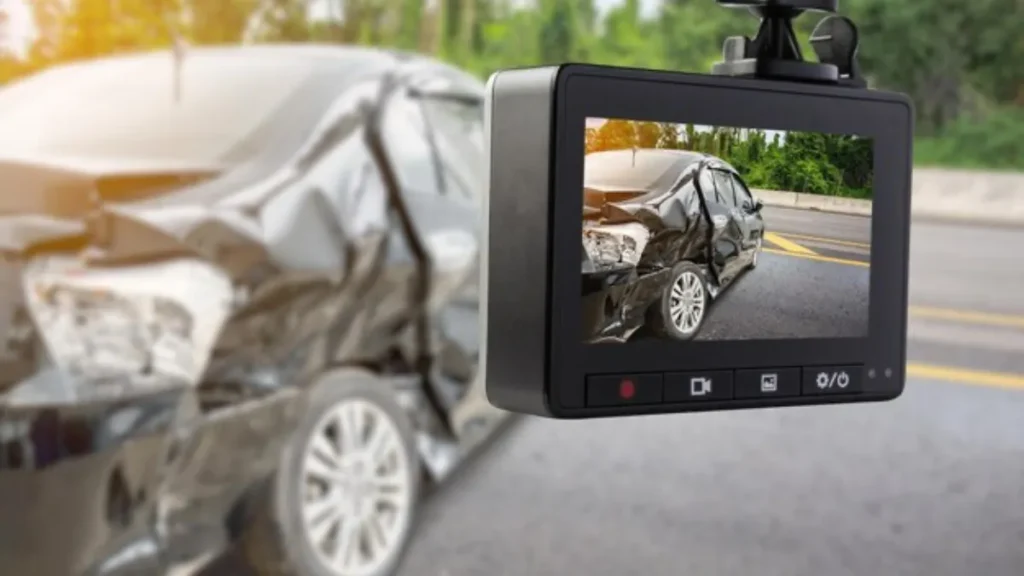
Backup camera safety is coming back into focus as federal regulators and automakers confront a growing number of problems involving rear-visibility systems that drivers increasingly rely on when reversing.
What was once considered a premium technology has become standard equipment in virtually every new passenger vehicle sold in the United States. But as cameras, displays and software become more complex, failures can create a serious safety problem: a driver may believe the area behind the vehicle is visible when the system is not actually working correctly.
The National Highway Traffic Safety Administration has continued tracking recalls involving rearview-camera systems, including problems that can cause the image to disappear, freeze, become distorted or fail to appear when the vehicle is shifted into reverse.
For drivers, the issue is about more than convenience.
It is about visibility at the exact moment when pedestrians, children or objects behind a vehicle can be difficult to see directly.
Backup Cameras Have Become Essential
Federal regulations have required rear visibility technology on new vehicles for years, making backup cameras a standard part of modern driving.
The technology was introduced to reduce rear-over crashes, particularly incidents involving children.
A camera mounted near the rear of the vehicle provides drivers with a wider field of view than mirrors alone.
That can be especially important for SUVs, pickups and larger vehicles with substantial blind zones.
But technology can only provide that benefit when it works.
Software Is Becoming Part of Vehicle Safety
Modern backup-camera systems are no longer simply cameras connected to screens.
They are integrated into the vehicle’s electronic architecture.
A rear camera can interact with infotainment systems, transmission controls, sensors and software.
That creates more opportunities for technical problems.
A malfunctioning software system can cause a camera image to fail even when the physical camera itself is functioning properly.
Some recalls have involved software updates designed to correct these problems rather than traditional mechanical repairs.
This illustrates a broader change in the automotive industry.
Vehicle safety increasingly depends on software.
Millions of Vehicles Can Be Affected by One Problem
The scale of modern vehicle recalls can make technology-related safety issues particularly significant.
When an automaker identifies a defect in a common component or software system, the issue may affect hundreds of thousands—or millions—of vehicles.
A backup-camera issue can therefore become a nationwide safety concern.
NHTSA’s recall database contains numerous campaigns involving rearview-camera displays and systems.
For consumers, that makes it important to check whether their vehicle is affected by an open recall.
Automakers generally provide recall repairs at no cost to vehicle owners.
Drivers May Not Immediately Notice a Problem
One challenge with camera failures is that drivers may not always recognize the problem as a safety defect.
A screen may briefly flicker or fail to display an image, but a driver could assume it is a temporary electronic glitch.
Some systems may also produce warning messages that are easy to overlook.
If the camera fails while reversing, the driver may need to rely immediately on mirrors and direct observation.
That can be difficult in crowded parking lots or residential areas.
The safest response is to stop, check the surroundings manually and avoid relying on a malfunctioning camera.
Pickup Trucks and SUVs Require Extra Attention
The issue can be particularly important for larger vehicles.
Pickup trucks and SUVs often have larger rear blind zones than smaller passenger cars.
That is one reason backup-camera systems have become so valuable for American drivers.
A failure in a large vehicle can potentially remove a significant portion of the driver’s rear visibility.
Parents with young children may also be especially concerned because children can be difficult to see when they are close behind a vehicle.
Recalls Are Becoming More Software-Driven
The growing number of electronic safety systems is changing the nature of vehicle recalls.
Traditional recalls often involved mechanical components such as airbags, brakes or seat belts.
Now, manufacturers increasingly issue recalls for software.
A software update can sometimes resolve a problem without replacing a physical component.
That can make repairs faster and less disruptive for consumers.
But software-based recalls also raise new questions about cybersecurity, system reliability and whether drivers understand how vehicle electronics work.
Automakers Face Increasing Pressure
Manufacturers are under pressure to ensure that safety technology performs reliably.
As vehicles become more automated, consumers increasingly depend on cameras and sensors to understand their surroundings.
A driver may use a backup camera every day without thinking about how much visibility it provides.
That makes reliability especially important.
Automakers also face regulatory scrutiny when defects emerge.
Failure to address known safety problems can result in penalties, investigations and damage to consumer confidence.
Owners Should Check Their Vehicles
For consumers, the most important step is straightforward.
Check for open recalls.
NHTSA allows vehicle owners to search for recalls using a vehicle identification number, or VIN. If a recall is listed, owners should contact an authorized dealership to arrange the required repair.
Drivers should also pay attention to warning messages and unusual behavior.
If a backup camera stops working, the safest approach is to treat the problem seriously rather than assuming it will correct itself.
A Bigger Lesson About Modern Cars
The debate over backup camera safety reflects a larger transformation in the automotive industry.
Cars are increasingly computers on wheels.
Cameras, radar, sensors and software now play roles that were once handled entirely by the driver.
Those technologies can make vehicles safer, but they also introduce new failure points.
As automakers continue adding advanced safety and driver-assistance features, reliability will become just as important as innovation.
A camera that provides a perfect view 99 times out of 100 may still create a dangerous situation if it fails at the wrong moment.
For millions of American drivers, the message is simple: modern safety technology can be extremely valuable, but it should never be treated as infallible.
As vehicles become increasingly dependent on digital systems, manufacturers, regulators and drivers will all have a role in making sure those systems work when they are needed most.
Source angle: NHTSA recall information and federal rear-visibility requirements, with recent vehicle recall activity highlighting continuing safety concerns involving backup-camera displays and electronic rear-visibility systems.